A luxury honeymoon in Japan is not defined by destinations alone, but by how each experience is shaped around the couple. Rather than fixed itineraries, the journey is designed as a private narrative that reflects shared pace, interests, and atmosphere.
Every element is selected with intention, ensuring the experience feels cohesive, personal, and naturally aligned with the couple’s time in Japan. With Asatsuyu Japan luxury travel, each bespoke Japan honeymoon is shaped around privacy, intimacy, and meaningful shared moments.
The result is not a template. It is a carefully composed sequence, created for a luxury honeymoon journey in Japan designed exclusively for two people at the beginning of something lasting.
Why a Honeymoon Itinerary Should Not Follow a Fixed Route
Most honeymoon packages are built the same way group tours are: a list of well-known cities, a set number of nights in each, and a schedule that looks appealing on a brochure but was never actually built around the two people taking the trip. A couple celebrating a honeymoon rarely wants the same pace as a family with children or a group of friends, yet standard packages often treat every traveler the same way.
A bespoke Japan honeymoon starts from a different place entirely. Instead of asking which cities to include, the planning begins by asking what the couple actually wants to feel during the trip. Some couples want quiet, unhurried mornings with very few scheduled stops. Others want a mix of cultural depth and adventure, with just enough structure to make sure nothing important is missed. A private travel advisor listens for this before building a single day of the itinerary.
This is what narrative means in practice. Rather than a list of destinations placed one after another, the journey is built as a sequence, where an early quiet stretch in Kyoto might lead into a livelier day in Tokyo, followed by a slower, more private stay somewhere in the mountains. Each stop is chosen not just for what it offers on its own, but for how it fits into the overall rhythm of the trip.
Choosing the Right Regions for Two
Japan’s regions each offer a distinctly different atmosphere, which makes them useful building blocks for a honeymoon designed around mood rather than a checklist.
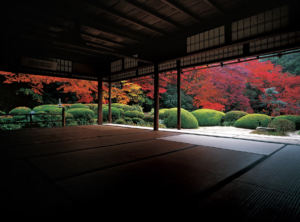
Kyoto remains one of the most natural choices for a romantic honeymoon stop, given its centuries of temples, gardens, and traditional wooden streets. A quiet walk through a temple garden early in the morning, before the day’s visitors arrive, or an evening spent in the Gion district, where traditional teahouses and narrow lantern-lit streets still operate much as they have for generations, offers a version of Kyoto built around stillness rather than sightseeing.
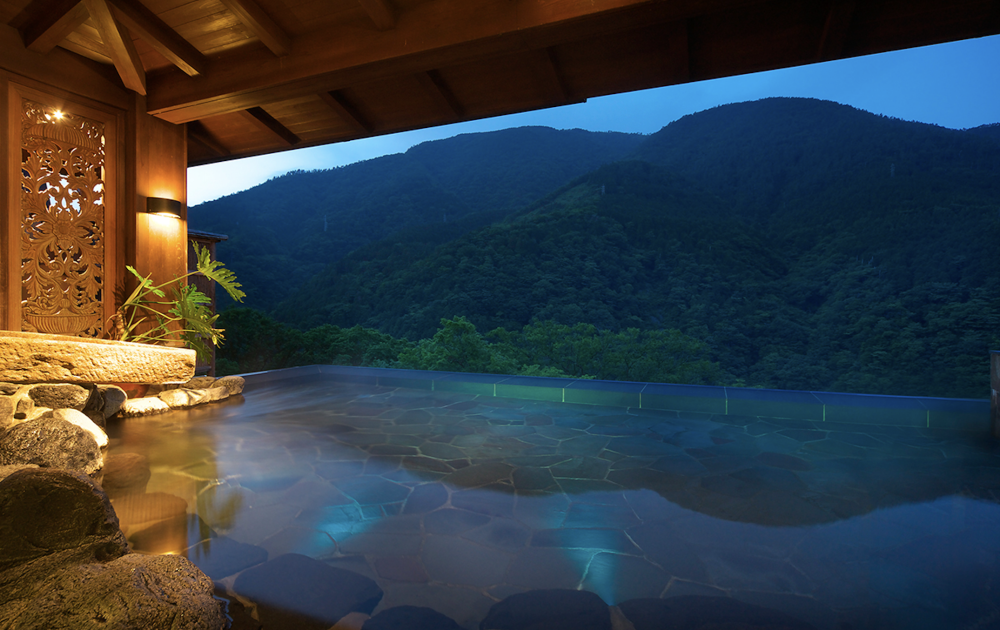
Hakone, within reach of Tokyo, is known for its onsen culture and views of Mount Fuji on clear days. Because many of its ryokan are built specifically around private hot spring bathing, Hakone tends to suit couples who want a slower, more intimate stretch of the trip, away from cities entirely.
Naoshima and Kanazawa offer a quieter, more contemplative side of Japan for couples drawn to art and architecture rather than crowded landmarks. Naoshima’s museums, many designed by the architect Tadao Ando, sit on a small island reached only by ferry, which naturally limits the number of visitors on any given day. Kanazawa, with its preserved samurai and geisha districts, is also home to Kenrokuen, ranked among Japan’s three great gardens and originally developed by the Maeda clan over roughly two centuries, offering a similar sense of quiet without requiring a ferry crossing.
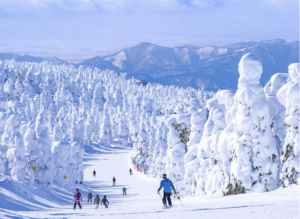
For couples drawn to dramatic scenery and a genuinely different pace, Hokkaido’s mountains and coastline offer wide, open landscapes that feel far removed from Japan’s busier cities, whether visited for summer hiking or the region’s well-known winter snow.
A well-designed honeymoon itinerary rarely tries to include all of these regions in a single trip. It typically selects two or three, chosen for the specific atmosphere each brings, and gives each one enough time to actually be experienced rather than briefly visited.
Private Ryokan Stays Built for Two
Accommodation plays an outsized role in a honeymoon compared to most other kinds of travel, since so much of the experience happens within the property itself rather than out sightseeing.
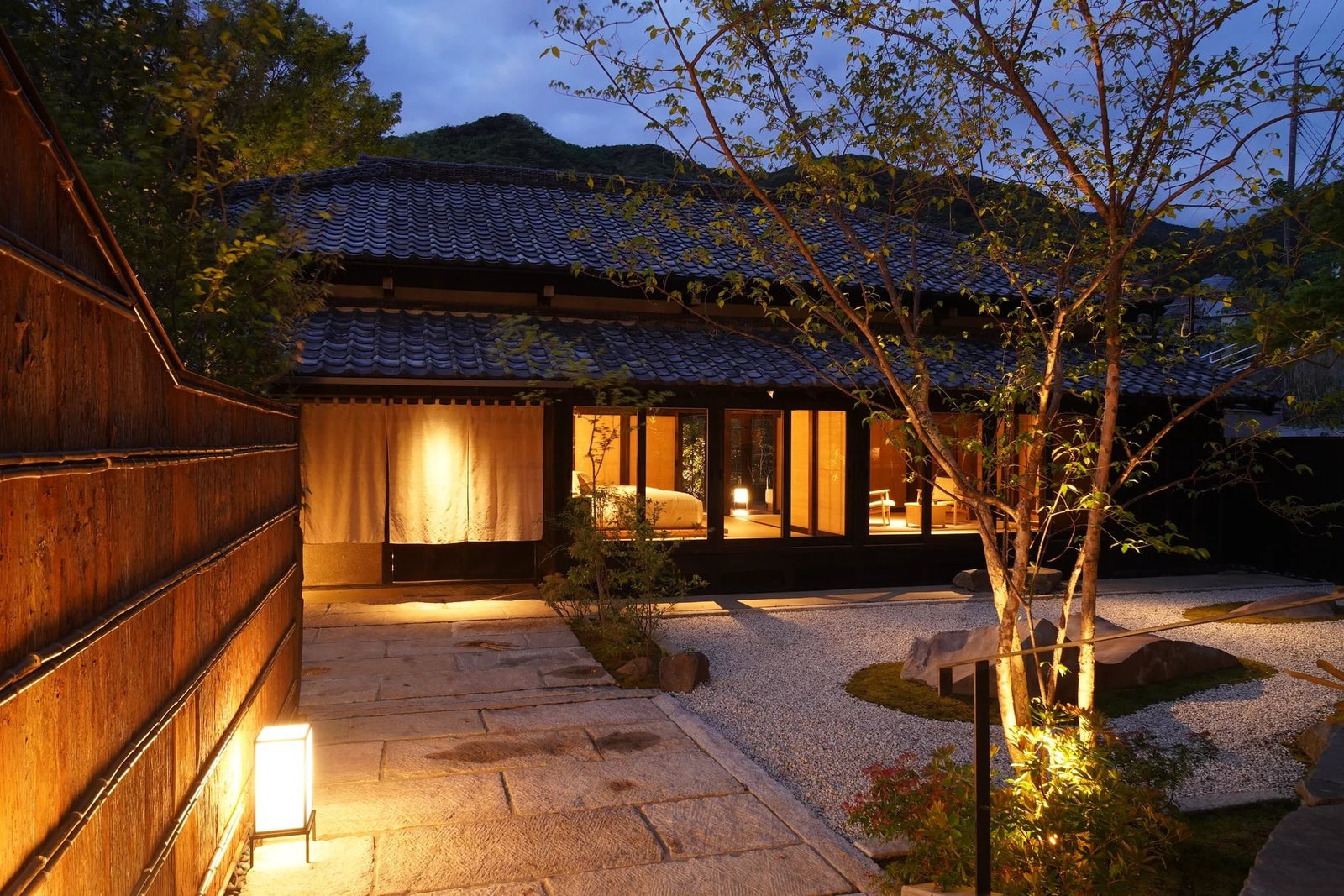
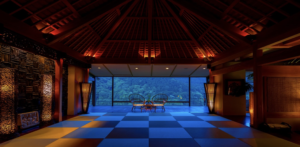
Traditional ryokan are particularly well suited to this. Kyoto’s oldest properties, including Tawaraya and Hiiragiya, both operating for centuries, offer private gardens, seasonal kaiseki dinners served in the room, and a level of quiet hospitality built around discretion rather than spectacle. In regions built around hot springs, properties like Zaborin, hidden in the forests near Niseko in Hokkaido, take this further, with private indoor and outdoor onsen attached to each villa rather than shared communal baths.
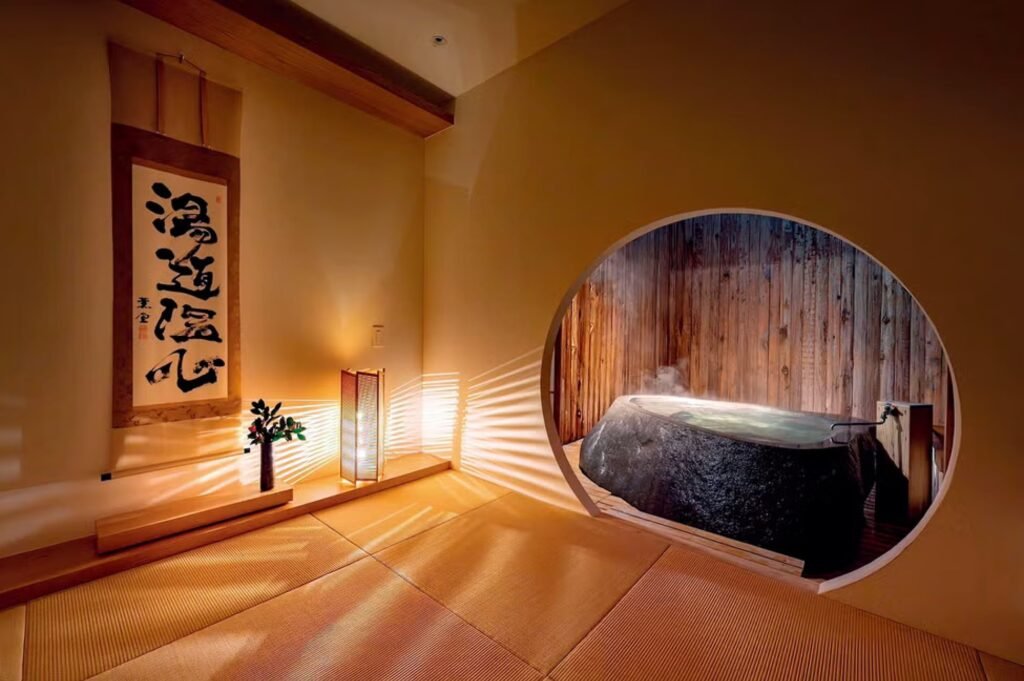
This kind of accommodation matters for a specific reason: privacy. A private onsen means a couple can experience one of Japan’s most distinctive cultural traditions without navigating gender-separated communal bathing, which is the standard setup at most public onsen facilities. For many couples, this single detail shapes which regions and properties make sense for the trip.
Because these properties tend to hold very few rooms, often fewer than twenty, they are also among the first to be booked out during popular seasons. A honeymoon planned around a specific ryokan, rather than simply a specific city, generally requires booking several months in advance.
Timing: Matching the Season to the Mood
Japan’s seasons each bring a distinctly different atmosphere, and choosing the right one can shape a honeymoon as much as the destinations themselves.
Spring, and cherry blossom season in particular, brings a soft, fleeting beauty that many couples find naturally romantic, with peak bloom in Kyoto and Tokyo typically arriving in the first days of April. Autumn offers something more dramatic, as maple leaves turn deep red across the same gardens and temples, with koyo season in Kyoto usually peaking in mid-to-late November. Winter brings a quieter, more intimate atmosphere, particularly in regions built around hot springs, where an outdoor onsen surrounded by falling snow offers one of the most memorable settings in the entire country. Even summer, often overlooked for honeymoon planning, offers long days and vivid green landscapes, along with a lively festival season in many cities.
There is no single best season for a honeymoon in Japan. The right choice depends on the mood a couple wants: soft and fleeting, dramatic and colorful, or quiet and intimate. What matters is that the season is chosen deliberately, and the itinerary is built around it, rather than the season being an afterthought to a fixed set of travel dates.
Because the most popular ryokan and the most sought-after seasonal experiences are tied to specific, narrow windows each year, timing a honeymoon well often means planning many months ahead, particularly for a trip during cherry blossom season, koyo season, or the winter holiday period.
Cultural and Private Experiences for Couples
A honeymoon in Japan offers an unusually wide range of cultural experiences, but the way these are arranged matters as much as which ones are chosen.
A traditional tea ceremony, for instance, can be experienced as part of a large group tour, moving quickly through a scripted demonstration, or arranged privately in an ochaya, one of Kyoto’s traditional teahouses, several of which still operate along Hanamikoji Street in Gion. These teahouses have historically operated on introduction only, meaning entry was traditionally reserved for patrons with an existing relationship to the house rather than open to the public, which is part of why a private, properly arranged visit carries far more weight than simply walking in off the street. Hosted well, with a host who takes the time to explain the meaning behind each gesture, from how the tea bowl is turned to why silence is treated as part of the ritual, the ceremony becomes something closer to a conversation than a demonstration.
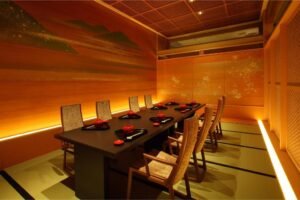
Private dining offers a similar contrast. A kaiseki meal, Japan’s traditional multi-course dinner built around seasonal ingredients, is often served in a couple’s own ryokan room rather than a shared dining hall, turning dinner into one of the most private and memorable parts of the day rather than simply a meal between activities.
Cultural sites benefit from this same approach. An early entry arranged at a quiet temple garden before it opens to the public, or a private guide who can explain the history behind a particular building or artwork, transforms a standard visit into something considerably more personal. This matters especially for a honeymoon, where the goal is rarely to see as much as possible, but to experience a smaller number of things fully, together.
Designing Around the Couple, Not a Checklist
A honeymoon itinerary should bend around the two people taking it, not the other way around. Some couples want an active trip, with hiking, cooking classes, or long days exploring on foot. Others want the opposite: long, unstructured mornings, with the day’s only real plan being where to have dinner that evening. A well-designed itinerary can accommodate either approach, or shift between them at different points in the trip, since a good private itinerary is built with enough flexibility to change once the couple is actually in Japan and knows how they’re feeling.
Muslim couples, including those from the GCC, often have specific needs that shape a honeymoon itinerary as well, from halal dining confirmed in advance at each stop, to built-in time for daily prayer, to accommodation and experiences that already emphasize privacy rather than shared or communal spaces. These considerations tend to fit naturally into a honeymoon itinerary regardless of a couple’s background, since privacy and intentional pacing are already central to how this kind of journey is designed.
None of this requires a completely different planning approach. It simply means the same care applied to choosing a romantic ryokan or the right season is also applied to dietary needs, prayer times, or any other specific requirement a couple brings to the conversation.
What a Bespoke Honeymoon Journey Might Actually Look Like
A well-designed honeymoon might begin with several quiet days in Kyoto, timed around a specific season, staying at a traditional ryokan with a private garden and in-room dining. From there, the journey might move to Hakone, for a slower stretch built around private onsen bathing and mountain views, before a final few days in a livelier city like Tokyo, offering contrast after the quieter stretches earlier in the trip.
Alternatively, a couple drawn to art and design might spend their time differently, moving from Tokyo’s contemporary architecture to a few days on Naoshima, then finishing in Kanazawa’s quieter, preserved districts, an itinerary built almost entirely around a shared interest rather than a standard list of must-see cities.
What connects both versions is the same underlying approach: a small number of well-chosen stops, given enough time to actually be experienced, arranged around the couple’s own interests rather than a general idea of what a Japan honeymoon is supposed to include.
What This Looks Like With Asatsuyu
A honeymoon consultation tends to look a little different from our other conversations, because the question at the center of it isn’t really about Japan at all. It’s about the couple: whether they want a trip built around quiet and stillness, or one with a bit more movement and discovery, and how those two preferences might need to be balanced between two people rather than one.
Once that’s clear, the rest of the planning follows a familiar shape for us — the same approach behind how a private travel advisor shapes any Japan journey: matching the right season to the mood the couple wants, holding a small number of well-chosen ryokan against the dates that actually work, and building in enough flexibility that the trip can shift if the couple falls in love with one place and wants more time there than originally planned. We take on a limited number of honeymoon journeys each season for the same reason we limit any other kind of trip: the planning only works if there’s real time to get the details right, from a private onsen booked months in advance to a quiet temple garden arranged before the crowds arrive.
A luxury honeymoon in Japan, done well, should feel less like a trip either partner researched and more like a journey neither of them could have planned entirely on their own — shaped by someone who took the time to understand not just Japan, but the two of them, and who kept adjusting the details until the trip actually fit.