
Why a Private Travel Advisor Changes the Way You Experience Japan
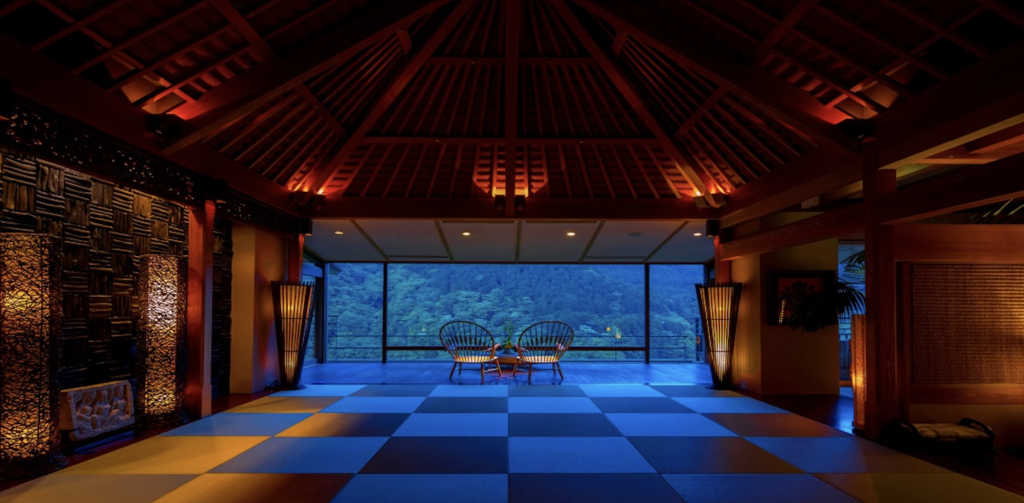
Japan rewards precision. A fine journey here is rarely about doing more. It is about knowing what to leave out, when to move, and where the day should slow down. With Asatsuyu Japan luxury travel, the experience is shaped through quiet judgment rather than fixed routes. A private travel advisor brings order to a country rich in detail, ensuring each hotel, guide, meal, transfer, and cultural moment is placed with care. This is what separates a trip that simply happens from a journey that actually feels considered. What a Private Travel Advisor Actually Does Many people assume a travel advisor simply books hotels and flights. That is only a small part of the work. A private Japan travel advisor spends most of their time on something harder to see: understanding a client well enough to build a journey around them. This starts with questions. What kind of pace does the traveler enjoy? Do they want long, quiet mornings, or an early start with a full day of activity? Are they traveling with children, parents, or a partner? Do they have dietary needs, such as halal food, or a preference for quiet, uncrowded places over well-known landmarks? Once these answers are clear, a private travel advisor begins shaping the actual journey. This includes choosing which cities and regions to visit, in what order, and for how long. It includes selecting hotels and ryokan that match the traveler’s taste, not simply the highest-rated option online. It includes arranging private guides who know the history behind a temple or the story behind a dish, rather than reciting a general script. A private travel advisor also handles the parts of a trip most travelers never think about until something goes wrong: train connections that leave enough time for delays, restaurant reservations made weeks in advance, and backup plans for days when weather changes everything. Why Japan Specifically Rewards This Kind of Planning Some countries are easy to visit without much planning. Japan is not quite one of them, at least not if the goal is a truly memorable trip rather than a rushed one. Japan’s train system is famous for running on time, almost to the minute. This is a benefit for travelers, but it also means a missed connection can throw off an entire day. A private Japan travel advisor builds in enough buffer time between stops so a late train does not turn into a lost afternoon. The best ryokan, especially in Kyoto and in hot spring towns, hold very few rooms. Properties like Tawaraya and Hiiragiya, two of Kyoto’s oldest and most respected ryokan, are often booked many months ahead during busy seasons such as cherry blossom season in spring or the autumn leaf-viewing season. Without early planning, these stays are simply not available, no matter the budget. Certain experiences are also only available for a short window each year. A particular seasonal dish might appear on a menu for only a few weeks. A temple garden might look its best for only ten days during peak autumn color. A private travel advisor tracks these small windows and builds the itinerary around them, rather than leaving it to chance. Language can also be a real barrier outside major cities. Menus, signs, and instructions are often only in Japanese once a traveler leaves Tokyo or Kyoto. A private travel advisor removes this friction by arranging private guides, drivers, and pre-confirmed reservations, so a traveler never has to figure out an unfamiliar system alone. The Difference Between Booking a Trip and Designing a Journey Booking a trip usually starts with a list: which cities to see, which hotels look nice, which tours have good reviews. This approach can work, but it often results in a schedule that looks good on paper without actually fitting the traveler taking it. A private travel advisor works in the opposite direction. Instead of starting with a list of places, the process starts with the traveler. What do they care about? Art and architecture? Quiet gardens? Food? Family time? From there, the advisor builds a route that serves those interests specifically, rather than fitting the traveler into a general Japan itinerary built for anyone. This also means the itinerary can bend when needed. If a family is enjoying a city more than expected, a private travel advisor can extend that stop and adjust the rest of the trip, something that is far harder to do with a fixed group tour or a series of separate online bookings. Working With a Private Travel Advisor Compared to Other Options There are several ways to plan a trip to Japan, and it helps to understand how they differ. Booking everything independently online gives a traveler full control, but it also puts the entire research burden on them. Finding the right ryokan, understanding train schedules, and knowing which restaurants require reservations weeks in advance takes real time and local knowledge that most travelers simply do not have. Joining a group tour removes some of this burden, but it also removes flexibility. Group tours run on a fixed schedule, with fixed stops, at a pace set for the average person in the group, not for any one traveler. A private travel advisor sits between these two options. The trip is still fully private and shaped around the traveler, but the research, planning, and problem-solving are handled by someone with deep knowledge of Japan. This tends to matter most for travelers who want a journey that feels personal, not simply well organized. Who Benefits Most From This Kind of Planning A private Japan travel advisor is especially useful for a few kinds of travelers. Families traveling across generations often need a mix of paces in a single day. Grandparents may want a slower morning, while children want more activity in the afternoon. A private travel advisor can build a day that works for everyone, rather than forcing the whole group into one fixed schedule. Art and architecture enthusiasts benefit from guides who understand