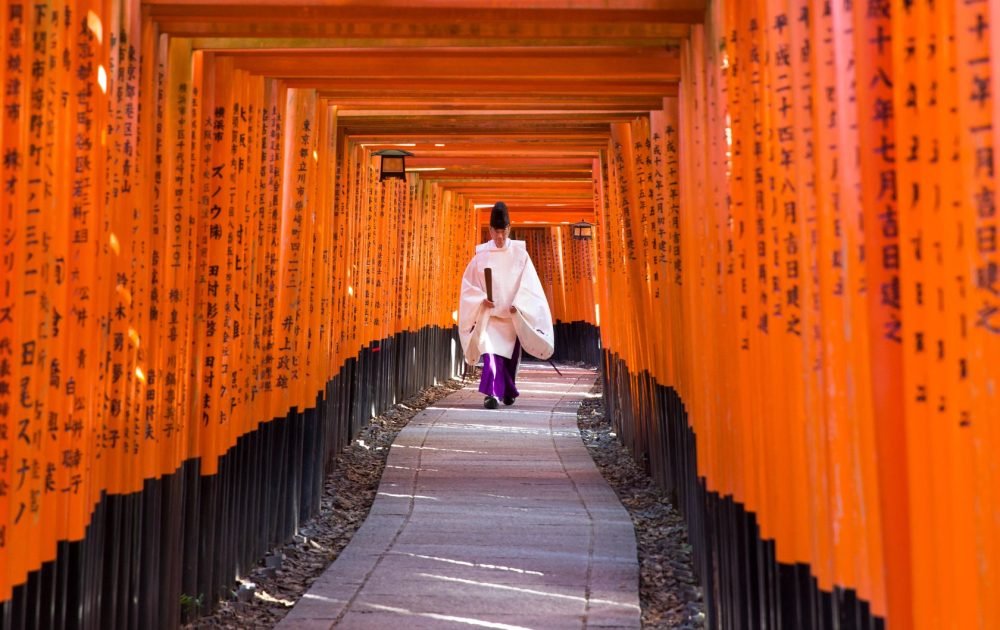
A private journey through Japan begins long before the first hotel is chosen. It starts with judgment about where to go, what to leave out, when to move, and when to stay still. With Asatsuyu, Japan’s luxury travel is shaped with care, not volume. Luxury Japan tours should feel intentional from arrival to departure, with each movement purposeful and each pause meaningful.
This is the difference between a standard trip and a truly private luxury journey in Japan. A standard trip follows a schedule built for everyone. A private journey is built for one traveler, one family, or one small group, with every choice made around their pace and their interests.
What Makes a Japan Luxury Tour
The word luxury gets used a lot in travel marketing. But real luxury Japan tours are not about expensive hotels alone. They are about removing friction. A luxury trip should feel easy, even when the plans behind it are complex.
In Japan, this means a few key things:
- Private transportation instead of crowded trains during peak hours
- Reservations made well in advance at restaurants and ryokan that book up months ahead
- A guide who understands the history and meaning behind a place, not just its address
- A pace that leaves room to rest, not just move from site to site
Japan makes this kind of travel possible because of its infrastructure. The country’s Shinkansen bullet trains connect major cities at speeds up to 320 kilometers per hour, or about 200 miles per hour. This means a private luxury journey across Japan can cover Tokyo, Kyoto, and other regions in a single day without sacrificing comfort.
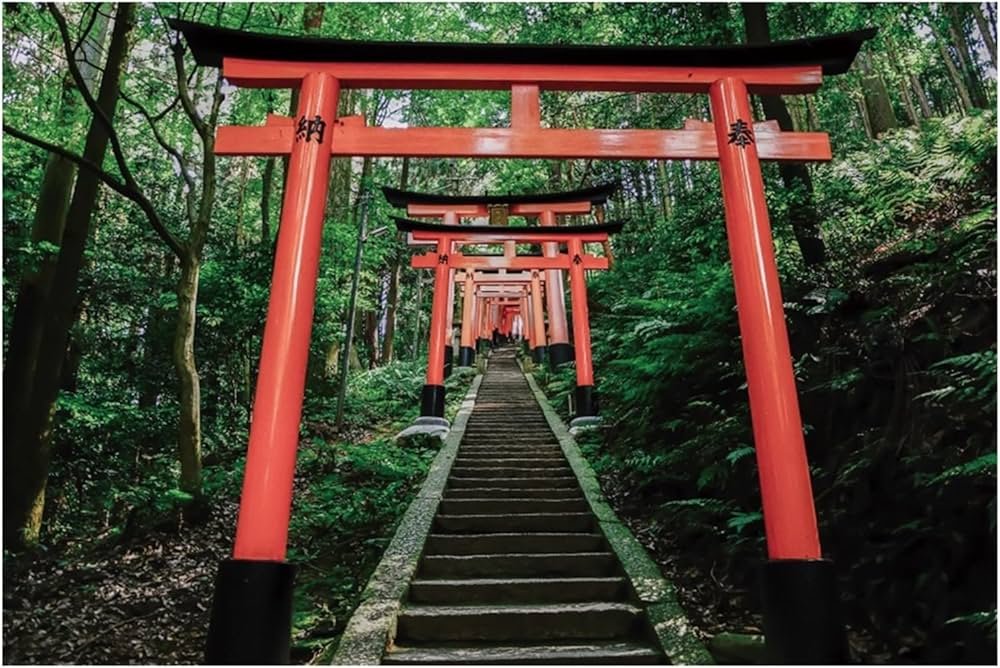
Private Luxury Journeys Start with a Plan, Not a Checklist
Many tours are built around a checklist. See this temple. Visit that shrine. Take a photo here. A private luxury journey in Japan works differently. It starts with a conversation about what the traveler actually wants.
Some travelers want architecture and art. Others want food and nature. Some want a slower pace with time for rest between cities. A good private luxury journey in Japan takes all of this into account before a single reservation is made.
This is also where cultural and family needs come in. Families traveling together often need a different rhythm than a couple traveling alone. Older parents may want shorter days. Younger children may need breaks built into the schedule. Muslim travelers, including many from the GCC, may want halal dining options confirmed in advance, along with time built into each day for prayer. A well-planned luxury Japan tour considers these details from the very beginning, not as an afterthought once the trip has already started.
Where to Go: Building a Region-by-Region Journey
Japan is a long country. It stretches from the northern island of Hokkaido down to the southern islands of Okinawa. A private luxury journey in Japan usually focuses on a smaller number of regions, visited well, rather than trying to see the entire country in one trip.
- Tokyo is often the starting point. It is Japan’s capital and largest city, home to more Michelin-starred restaurants than any other city in the world. Tokyo mixes modern architecture with quiet neighborhood shrines, and a private guide can help a traveler find both sides of the city.
- Kyoto was Japan’s capital for over a thousand years, from 794 to 1868. It holds 17 UNESCO World Heritage Sites, including some of the country’s most famous temples and gardens. A private luxury journey through Kyoto often includes early morning visits to temple gardens, before the general public arrives.
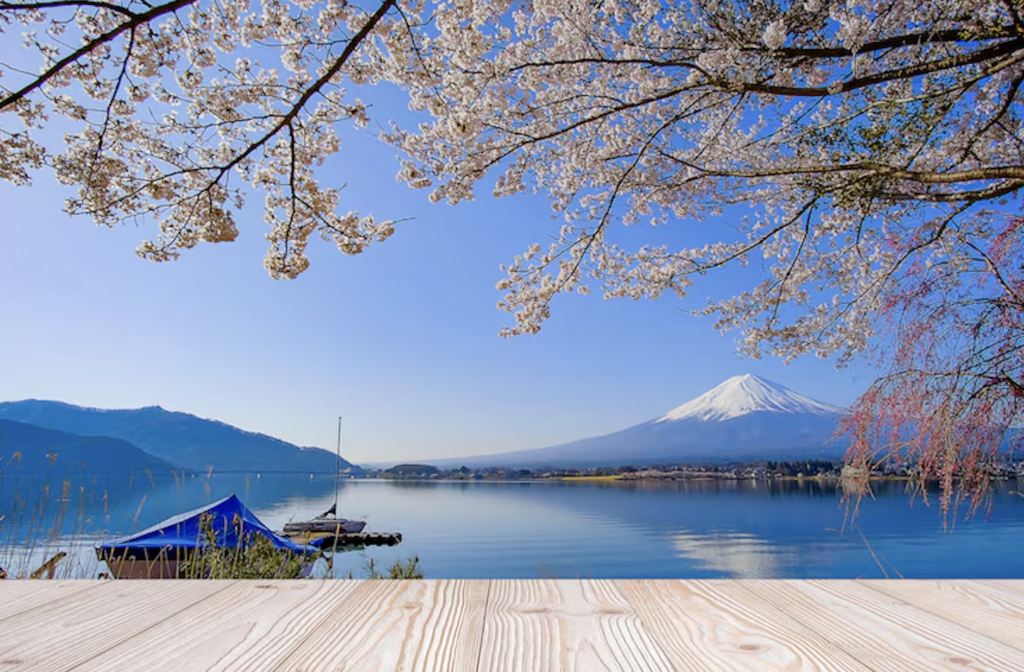
- Hakone, closer to Mount Fuji, is known for its hot spring resorts, called onsen, and for ryokan with views of the mountain. It is a popular stop for travelers who want a quieter, nature-focused part of their journey.
- Osaka, southwest of Kyoto, offers a different kind of energy, with a strong food culture and its own architectural landmarks, including several buildings designed by architect Tadao Ando.
A well-designed private luxury journey moves between these regions in an order that makes sense, with enough time in each place to actually experience it, rather than rushing through on a tight schedule.
Choosing the Right Season for a Private Luxury Tour
Timing changes everything about a trip to Japan. The country has four distinct seasons, and each one offers a very different kind of luxury Japan tour.
Spring, from late March through April, brings cherry blossom season. This is one of the most popular times to visit, which means it is also the most crowded. A private luxury journey during this season depends heavily on early planning, since the best ryokan and restaurants are often booked out many months in advance.
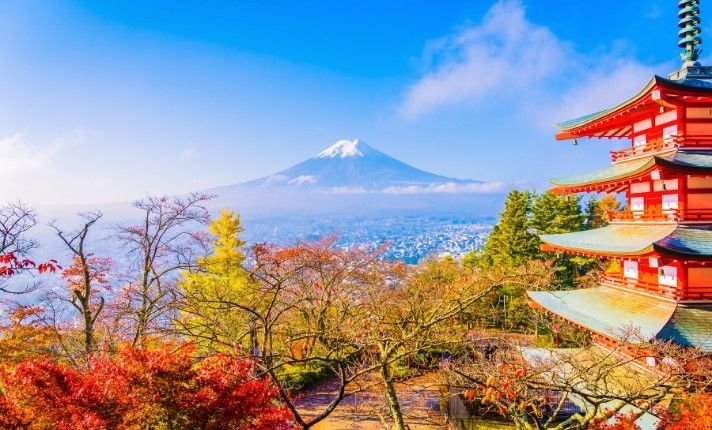
Autumn, from October through November, brings fall foliage, when maple leaves turn deep red and orange across gardens and mountainsides. Kyoto in particular is known for this season, with many of its temple gardens designed centuries ago specifically to be viewed at this time of year.
Summer can be hot and humid in much of Japan, but it is also the season for traditional festivals, called matsuri, in cities and towns across the country. Winter brings quieter temples, fewer crowds, and in some regions, snow-covered landscapes that pair beautifully with a night in an onsen ryokan.
Choosing the Right Season and Ryokan for a Luxury Japan Journey
There is no single best season for a private luxury journey in Japan. The right timing depends on what the traveler wants most, whether that is cherry blossoms, quiet temples, or a specific festival. Part of working with a private advisor is figuring out which season actually matches the trip a traveler has in mind, rather than simply defaulting to the most popular time of year.
One of the clearest differences between a standard hotel stay and a private luxury journey in Japan is the ryokan. A ryokan is a traditional Japanese inn, often family-run, with a history that in some cases stretches back hundreds of years.
Staying in a ryokan is different from staying in a typical hotel. Guests usually sleep on futon bedding laid out on tatami mat floors. Meals are often served in the room itself, based on a multi-course style of cooking called kaiseki, which changes with the season. Many ryokan also have private or semi-private hot spring baths, called onsen, fed by natural mineral water.
The best ryokan in Japan often have very few rooms, sometimes fewer than twenty. During busy seasons, like cherry blossom season in spring or the fall foliage season in autumn, these rooms can be booked out many months in advance. This is part of why planning a luxury Japan tour early matters so much. The right ryokan, at the right time, is often not something that can be arranged at the last minute.
Why Private Access Matters
Several of Japan’s most important cultural sites limit how many people can visit at once. Some temple gardens were never built to handle large crowds. Some museums only allow a certain number of visitors per hour. This is part of what makes Japan’s culture so well preserved, but it also means that timing matters a great deal.
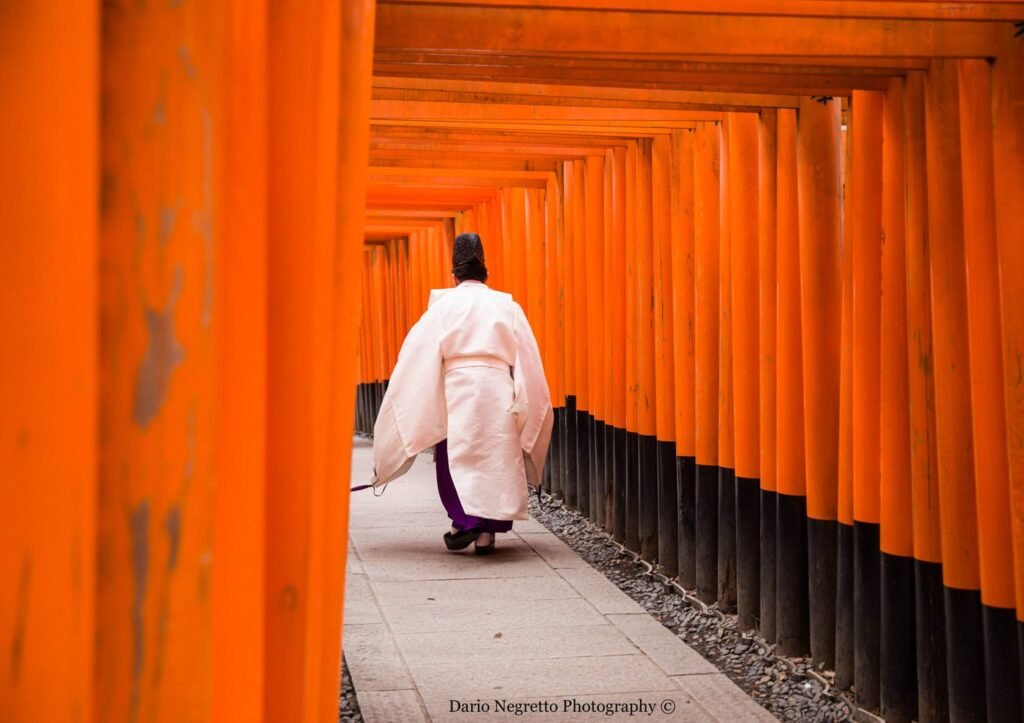
A private luxury journey in Japan can work around these limits in ways a standard group tour cannot. This might mean an early entry to a garden before it opens to the public, or a private appointment at a smaller museum that does not usually take walk-in visitors. It might also mean simply avoiding the busiest hours at a well-known site, so that a visit feels calm instead of crowded.
This kind of access does not change what a place is. It changes how it feels to be there. A quiet, early morning visit to a five-hundred-year-old temple garden leaves a very different impression than the same site at midday, surrounded by tour groups.
The Role of a Private Travel Advisor
Planning a private luxury journey in Japan involves a lot of moving parts. Train schedules, ferry timings for island destinations, restaurant reservations that need to be made months ahead, and ryokan bookings that fill up fast during peak seasons. Getting all of this right takes local knowledge and time.
This is where working with a private advisor makes a real difference. Instead of researching every detail alone, or booking through a website built for standard package tours, a private travel advisor manages these details based on a conversation about what the traveler actually wants.
Asatsuyu is a private travel advisory working exclusively across Japan. Rather than offering fixed tour packages, Asatsuyu builds each journey individually, based on a client’s own interests, pace, and priorities. This includes ultra-high-net-worth and high-net-worth travelers, art and architecture enthusiasts, and Muslim travelers from around the world, including the GCC, all of whom share an interest in privacy, cultural depth, and a trip that feels considered rather than assembled from a template.
The process begins with a private consultation. This conversation covers how a traveler wants to experience Japan, what matters most to them, and how Asatsuyu’s approach can support that vision. From there, the details, including ryokan selection, private transportation, dining reservations, and daily pacing, are worked out well before the trip begins.
What a Well-Planned Journey Feels Like
The real test of a private luxury journey in Japan is not how many places were visited. It’s how the trip actually felt while it was happening. Did the days feel rushed, or did they feel unhurried? Was there time to actually notice a garden, a meal, or a quiet street, or was every stop a quick photo before moving to the next one?
A well-planned luxury Japan tour is built so that the traveler barely notices the planning behind it. The car is simply there when needed. The restaurant reservation is already confirmed. The ryokan room has the view that was promised. None of this happens by accident. It happens because someone thought through the details months in advance, so the traveler does not have to think about them at all during the trip itself.
That is, in the end, what separates a private luxury journey in Japan from a standard vacation: not the number of places seen, but the quality of attention behind every part of the experience.